
Can dogs eat pate?
Updated 7 August 2026
No. Most UK liver pate is seasoned with onion or garlic, and Battersea lists the onion family as toxic to dogs whether it is dry, raw or cooked, in any form. Pate is also dense in fat and salt even in the plainer versions, which PDSA names among the triggers for pancreatitis. A thin scrape off a stray cracker is unlikely to harm a healthy dog.
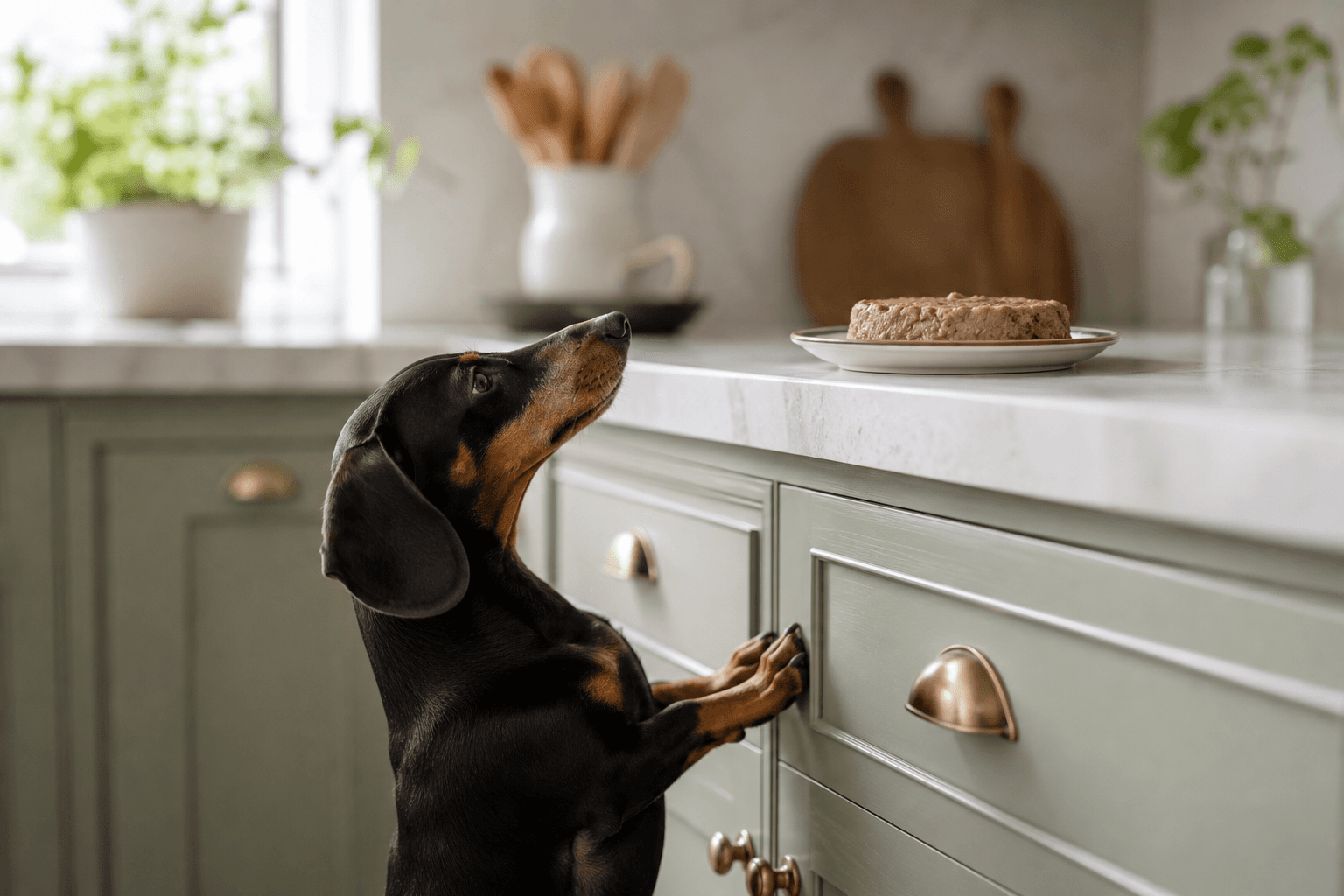
If your dog has eaten pate
For a small lick or a dropped cracker, put water down and watch for vomiting, diarrhoea, pale gums or dark urine over the next few days, since the onion effect can be delayed. For a larger amount, ring your vet now with your dog's weight and an estimate of how much pate was eaten. Out of hours, Vets Now runs emergency clinics across the UK, and the Animal PoisonLine is on 01202 509000.
The detail
Pate is a processed product built around liver, and that is where the confusion with plain liver meat starts. Our liver page covers vitamin A toxicity from feeding raw liver or liver treats in large, regular amounts, but pate is a different food entirely: liver blended with butter or cream, brandy or wine, and seasoning, usually including onion or garlic.
That seasoning is the sharpest risk on this page. Battersea's toxic food guidance states plainly that the onion family, dry, raw or cooked, is particularly toxic to dogs and can damage red blood cells, and onion or garlic appears in the great majority of UK liver pate recipes and shop-bought tubs.
Even a pate made without any onion or garlic is still a problem food. It is built from liver, butter and cream, which makes it dense in fat, and PDSA's pancreatitis guidance names high-fat foods as a trigger for the condition, alongside a salt content that is high even by processed-meat standards.
What is typically in liver pate
| Onion or garlic | Present in most UK recipes and shop-bought tubsBattersea: toxic to dogs in any form |
| Fat | Roughly 25 to 35g per 100gFrom the added butter or cream |
| Salt | Roughly 1.2 to 1.8g per 100g |
| A dropped cracker or a lick | Unlikely to be an emergency in a healthy adult dogWatch for delayed symptoms over the following days |
| A raided tub or a thickly spread slice | Ring your vet with your dog's weight and the amount eaten |
Liver pate and chicken liver pate
Liver pate, whether made from pork, chicken or duck liver, follows the same recipe logic: liver blended smooth with fat and seasoning. Check the ingredients list on any tub before assuming a particular type is safer, since onion and garlic show up across brands and flavours rather than being limited to one style.
A pate genuinely made with nothing but liver, butter and herbs, with no onion or garlic anywhere in the ingredients, is still a very fatty and salty food and belongs in small amounts at most, not as a regular share.
Pate on toast, crackers and sandwiches
A dropped cracker with a thin scrape of pate is a trace amount for most dogs, and a healthy adult dog is unlikely to come to serious harm from one bite off the floor. A whole slice of toast thickly spread, or several crackers from a party plate, is a bigger dose of both onion and fat in one go.
Keep a pate-topped platter well out of reach at gatherings rather than relying on a dog's manners, since pate is often left out at room temperature for a while, which some dogs find even more tempting.
Duck, pork and game pate
These follow the same rules as chicken and pork liver pate. Game pate and terrines sold around Christmas often carry extra seasoning, sometimes including brandy or port reduced into the mix, and the alcohol content, however small, is one more reason to keep these off a dog's plate.
Rich pate and terrine gift sets are a common Christmas present in the UK, which is exactly when they end up left out on a side table within a dog's reach.
Vegetable and mushroom pate
A vegetable or mushroom pate swaps out the liver but rarely the onion, garlic or salt, since those are what give a plant-based pate most of its flavour. Do not assume a meat-free label makes a pate safer without checking the ingredients.
If a specific brand's pate genuinely contains no onion, garlic or excess salt, it is still a dense, oily spread, and a thin taste rather than a serving is the sensible ceiling.
My dog ate pate. What should I do?
For a small lick or a single dropped cracker, put water down and watch your dog over the next few days for vomiting, diarrhoea, pale gums, lethargy or dark urine, since the onion effect on red blood cells can take days to show.
For a larger amount, a raided tub or several slices of pate-topped toast, ring your vet straight away with your dog's weight and an estimate of how much pate was eaten, and mention the fat content as well as any onion or garlic on the label.
Signs to watch for
- Vomiting or diarrhoea in the first day or two
- Pale gums, lethargy or unusual tiredness appearing one to five days later
- Dark or discoloured urine as red blood cells break down
- A painful, hunched posture or reduced appetite, which can point to pancreatitis
Common questions
My dog ate a cracker with pate on it. Should I worry?
A single dropped cracker with a thin scrape of pate is unlikely to seriously harm a healthy adult dog. Watch for vomiting, diarrhoea, pale gums or dark urine over the next few days, since onion's effects can be delayed, and call your vet if any appear.
Is pate the same as liver for dogs?
No. Plain cooked liver meat is a genuinely useful treat in small amounts, but pate is a processed product made with added fat, salt and usually onion or garlic. Treat them as two different foods with two different verdicts.
Can dogs eat pate without onion or garlic?
It is a lower risk than seasoned pate, but still dense in fat and salt from the added butter or cream. Check the label carefully, since onion and garlic appear in most recipes even when not obvious from the name.
How much pate is dangerous for a dog?
There is no safe amount to feed on purpose, since it depends on your dog's size and how much onion or garlic the recipe contains. A raided tub or a thickly spread slice is worth a call to your vet with your dog's weight and the amount eaten.
What are the signs of onion poisoning in dogs?
PDSA lists vomiting and reduced appetite as early signs, followed by pale gums, lethargy and dark urine as anaemia develops, often one to five days later. Ring your vet if you see any of these after a dog has eaten pate.
Is duck or game pate safer than liver pate for dogs?
No, the risk is the same regardless of which meat the pate is built from. Game terrines sold around Christmas sometimes add brandy or port on top of the usual onion, garlic, fat and salt.
Can puppies eat pate?
No. Puppies are smaller, so the same amount of onion, garlic, fat or salt is a bigger relative dose, and puppy food already provides balanced nutrition. Keep pate away from puppies entirely.